Proctology Treatment Set: Instruments, Uses & Benefits

Introduction

A Proctology Treatment Set includes selected medical instruments used during the examination and treatment of anorectal conditions.

Proctology focuses on conditions affecting the anus and rectum. For example, doctors may examine patients with hemorrhoids, anal fissures, or anal fistulas.

Moreover, different conditions require different treatment methods. Therefore, healthcare professionals must select suitable instruments for each procedure.

JDMeditech offers medical devices and surgical instruments for hospitals, healthcare centers, and international distributors.

What Is a Proctology Treatment Set?

A Proctology Treatment Set is a collection of instruments and accessories selected for anorectal examination or treatment procedures.

Depending on the configuration, a set may include examination instruments, access devices, and treatment accessories.

For example, certain instruments support visualization of the anal canal. Meanwhile, other accessories may assist with selected treatment procedures.

However, the exact components vary according to the manufacturer and intended clinical application.

Understanding Proctology Procedures

Proctology is a medical field concerned with conditions affecting the lower digestive tract, particularly the anus and rectum.

Common conditions include hemorrhoids, anal fissures, fistulas, and other anorectal disorders.

First, doctors assess the patient’s symptoms and medical history. Next, they may perform a suitable examination.

In addition, selected patients may require further diagnostic tests or treatment.

Therefore, the procedure and instruments depend on the clinical findings.

Common Instruments in a Proctology Treatment Set

A Proctology Treatment Set may include different instruments depending on its configuration.

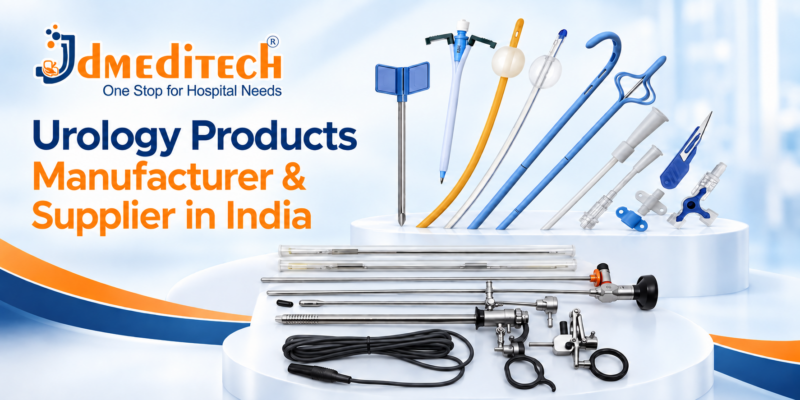
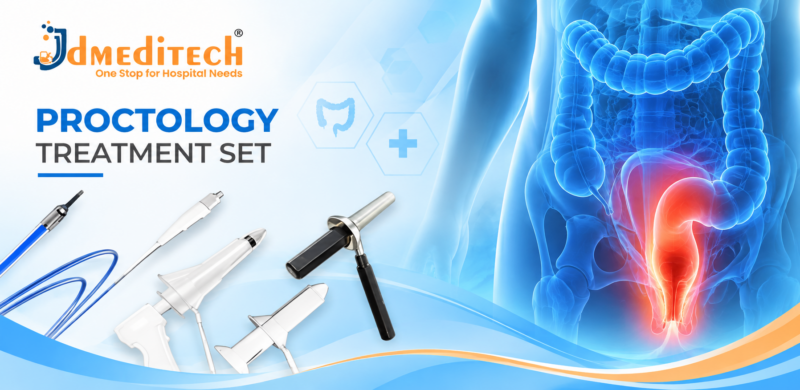
The reference image shows several medical accessories. However, it does not confirm their exact names, dimensions, or approved applications.

Therefore, the following examples describe instruments commonly associated with selected proctology procedures rather than a verified JDMeditech kit inventory.

1. Anoscope

An anoscope helps doctors examine the anal canal and lower rectum.

Moreover, different anoscope designs may support selected examination or treatment procedures.

2. Proctoscope

A proctoscope supports examination of the rectum through a suitable instrument system.

In addition, different sizes and configurations may be available.

3. Anal Dilator

Selected anal dilators may support specific procedures when clinically indicated.

However, dilation is not appropriate for every anorectal condition. Therefore, clinicians must follow the approved intended use.

4. Fistula Probe

A fistula probe may assist trained surgeons during selected anal fistula procedures.

For example, compatible probes may help assess a fistula tract during appropriate surgical evaluation.

5. Hemorrhoid Treatment Accessories

Some proctology procedures use specialized accessories for hemorrhoid treatment.

For example, certain systems support rubber band ligation or other approved treatment methods.

However, not every Proctology Treatment Set includes hemorrhoid treatment accessories.

6. Surgical Forceps and Accessories

Selected forceps and other surgical accessories may support tissue handling during appropriate anorectal procedures.

Moreover, instrument design depends on the planned procedure and surgeon requirements.

Proctology Treatment Set: Instrument Functions
Instrument Main Function
Anoscope Supports examination of the anal canal
Proctoscope Supports examination of the rectum
Anal Dilator Supports selected dilation procedures
Fistula Probe Assists during selected fistula procedures
Hemorrhoid Treatment Accessory Supports specific hemorrhoid treatment methods
Surgical Forceps Supports selected tissue handling tasks

In short, different instruments perform different functions. Therefore, healthcare professionals should confirm the complete set contents before use.

Key Features of a Proctology Treatment Set
1. Procedure-Based Instrument Selection

A suitable set includes instruments selected for specific anorectal procedures.

Moreover, different configurations can support different clinical requirements.

2. Examination and Treatment Applications

Selected instruments support examination of the anal canal or rectum.

Meanwhile, other accessories may support approved treatment procedures.

3. Different Instrument Designs

Proctology instruments may be available in different shapes and sizes.

Therefore, hospitals should verify the specifications before purchasing.

4. Compatibility With Clinical Requirements

Instrument selection depends on the planned procedure and clinical setting.

Consequently, healthcare professionals should review the approved instructions for each device.

Applications of a Proctology Treatment Set

A Proctology Treatment Set may support selected anorectal examination and treatment procedures.

  • Anorectal examination
  • Selected hemorrhoid procedures
  • Assessment of anal fistulas
  • Selected anal fissure procedures
  • Rectal examination
  • Other approved proctology procedures

However, each instrument must be suitable for the intended application.

Therefore, clinicians should follow the manufacturer’s approved instructions and clinical protocols.

Benefits of a Proctology Treatment Set
1. Supports Procedure Preparation

A defined set helps healthcare teams identify the instruments required for the planned procedure.

As a result, staff can review the selected accessories before treatment.

2. Provides Instrument Options

Different anorectal procedures require different instruments.

Therefore, hospitals can select configurations based on their clinical needs.

3. Supports Examination Procedures

Suitable examination instruments help doctors assess selected anorectal conditions.

Moreover, different instrument designs may support different examination requirements.

4. Supports Selected Treatment Procedures

Compatible treatment accessories may support specific proctology procedures.

However, their suitability depends on the intended clinical use.

How to Choose the Right Proctology Treatment Set

Choosing suitable instruments requires careful review of the planned procedure.

First, clinicians identify the intended examination or treatment. Next, they review the required instrument types.

In addition, hospitals should verify product dimensions, compatibility, and handling instructions.

Important Selection Factors
  • Intended clinical application
  • Instrument type and design
  • Product dimensions
  • Material specifications
  • Compatibility with other equipment
  • Single-use or reusable labeling
  • Cleaning and sterilization instructions
  • Packaging and product identification
  • Manufacturer’s instructions for use

Furthermore, surgeon preferences and patient requirements may affect the final choice.

Therefore, healthcare professionals should approve the selected configuration.

Safety and Maintenance Considerations

Proctology procedures require trained healthcare professionals and suitable instruments.

Before use, staff should inspect the instruments for visible damage.

Moreover, reusable devices must undergo validated cleaning and sterilization according to their instructions.

Single-use instruments must be handled according to their approved labeling.

Therefore, proper instrument care and infection prevention practices remain essential.

JDMeditech Proctology Treatment Set

JDMeditech offers medical devices and surgical instruments for hospitals, healthcare centers, and international medical distributors.

Our team supports product inquiries, technical specification requests, and international supply requirements.

For available Proctology Treatment Set configurations, contact JDMeditech.

Website: www.jdmeditech.com

Frequently Asked Questions
1. What is a Proctology Treatment Set?

A Proctology Treatment Set includes selected instruments used during anorectal examination and treatment procedures.

2. What conditions are treated in proctology?

Doctors assess conditions such as hemorrhoids, anal fissures, fistulas, and other anorectal disorders.

3. What instruments are commonly used in proctology?

Common examples include anoscopes, proctoscopes, probes, forceps, and procedure-specific treatment accessories.

4. Is a Proctology Treatment Set used for hemorrhoids?

Suitable configurations may support selected hemorrhoid examination or treatment procedures.

5. Are proctology instruments reusable?

Some instruments may be reusable, while others are single-use. Therefore, users should verify the product labeling.

6. Can one set be used for every anorectal procedure?

No. Different procedures require different instruments and configurations.

7. Where can I inquire about JDMeditech proctology instruments?

Hospitals and medical distributors can visit JDMeditech for product information and quotations.

Conclusion

A Proctology Treatment Set supports selected anorectal examination and treatment procedures through suitable medical instruments.

For example, different configurations may include examination devices, probes, forceps, and other accessories.

Moreover, different clinical applications require different instrument specifications.

Therefore, healthcare professionals should verify product compatibility and approved intended use before purchasing.

Contact JDMeditech for proctology instruments, surgical accessories, and international medical device inquiries.

Medical Disclaimer: This article provides general educational information. Device selection and use must follow qualified clinical judgment and approved manufacturer instructions.

Pancreatic Duct Intervention Set: Uses, Features & Benefits

Pancreatic Duct Intervention Set: Uses, Features & Benefits
Introduction

A Pancreatic Duct Intervention Set brings together selected endoscopic accessories used during pancreatic duct procedures.

The pancreatic duct carries digestive enzymes from the pancreas into the small intestine. However, certain conditions can affect the normal flow of these fluids.

During selected procedures, gastroenterologists use compatible endoscopic instruments to examine or treat problems involving the pancreatic duct.

Moreover, different clinical situations require different accessory configurations. Therefore, healthcare professionals should choose devices based on the planned procedure and approved instructions.

What Is a Pancreatic Duct Intervention Set?

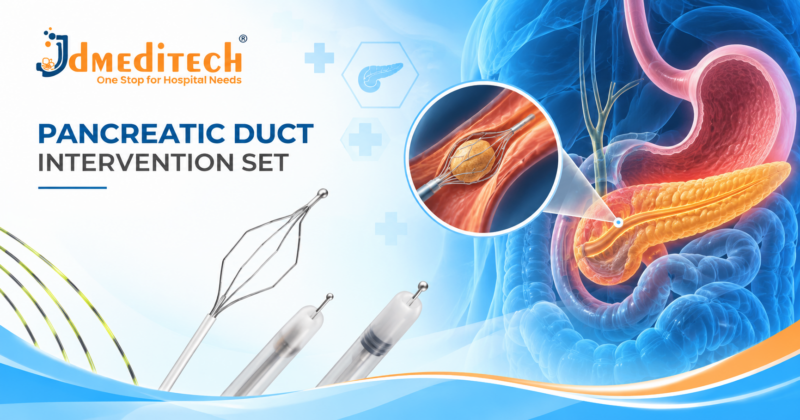
A Pancreatic Duct Intervention Set is a group of compatible medical accessories selected for endoscopic pancreatic duct procedures.

For example, a configuration may include guidewires, catheters, dilators, or other suitable ERCP accessories.

In addition, selected procedures may require stent placement or stone management instruments.

However, the exact components depend on the intended clinical use and manufacturer specifications.

Understanding the Pancreatic Duct

The pancreas produces digestive enzymes that help the body break down food.

These enzymes travel through the pancreatic duct before entering the small intestine.

However, duct narrowing, stones, and other medical conditions may affect drainage.

As a result, doctors may recommend further imaging or selected endoscopic treatment when clinically appropriate.

Common Components of a Pancreatic Duct Intervention Set

A pancreatic duct intervention set may include several accessories. However, the exact kit contents vary by configuration.

1. Pancreatic Guidewire

A guidewire helps clinicians guide compatible catheters and other devices through selected duct pathways.

Moreover, different guidewire sizes and tip designs support different procedural requirements.

2. Pancreatic Duct Catheter

A compatible catheter may support selected pancreatic duct access, contrast delivery, or other approved functions.

For example, an ERCP catheter can help the clinical team perform suitable diagnostic or therapeutic steps.

3. Pancreatic Duct Dilator

A dilator may support selected duct interventions when clinically indicated.

However, dilation is not suitable for every pancreatic duct condition. Therefore, device selection requires careful clinical assessment.

4. Pancreatic Duct Stent

A pancreatic duct stent may help maintain drainage in selected clinical situations.

In addition, certain temporary stents are used for specific preventive or therapeutic purposes.

Nevertheless, stent type, size, and duration depend on the clinical indication.

5. Stone Retrieval Accessories

Some pancreatic duct procedures require suitable stone retrieval accessories.

For example, a compatible basket or balloon may help manage selected pancreatic duct stones.

However, instrument selection depends on stone characteristics and duct anatomy.

6. Other ERCP Accessories

Depending on the procedure, clinicians may use additional compatible endoscopic accessories.

Therefore, hospitals should verify the complete set configuration before purchasing.

Pancreatic Duct Intervention Set: Component Functions
Component Main Function
Guidewire Supports navigation and compatible device placement
Pancreatic Catheter Supports selected duct access procedures
Dilator Supports selected dilation procedures
Pancreatic Stent May support duct drainage
Retrieval Basket May support selected stone retrieval procedures
Other ERCP Accessories Support procedure-specific requirements

In short, different devices support different procedural steps. Therefore, the final selection must match the planned intervention.

Key Features of a Pancreatic Duct Intervention Set
1. Endoscopic Procedure Support

A suitable set provides accessories for selected endoscopic pancreatic duct procedures.

Moreover, compatible devices can support different procedural requirements.

2. Guidewire-Assisted Access

Selected guidewires support the placement of compatible catheters and other accessories.

As a result, clinicians can choose a device configuration based on the planned procedure.

3. Different Accessory Options

Hospitals may require different catheters, guidewires, or stent systems.

Therefore, the available configuration should match the intended clinical application.

4. Procedure-Based Device Selection

Pancreatic duct procedures vary in complexity and purpose.

Consequently, healthcare professionals should confirm product dimensions, compatibility, and approved use.

Applications of a Pancreatic Duct Intervention Set

A Pancreatic Duct Intervention Set may support selected diagnostic and therapeutic procedures.

  • Selected pancreatic duct access procedures
  • Endoscopic retrograde cholangiopancreatography (ERCP)
  • Selected pancreatic duct stent placement
  • Management of suitable pancreatic duct narrowing
  • Selected pancreatic duct stone procedures
  • Other approved pancreatic endoscopic interventions

However, not every device is suitable for every application. Therefore, clinicians should follow the approved instructions for each accessory.

How Are Pancreatic Duct Interventions Performed?

Pancreatic duct interventions are specialized procedures performed by trained healthcare professionals.

First, the clinical team reviews the patient’s condition and planned treatment.

Next, the doctor uses suitable endoscopic equipment to access the relevant anatomy.

When indicated, compatible guidewires and catheters may support selected duct interventions.

In addition, the procedure may involve other approved accessories, depending on the clinical findings.

Finally, the healthcare team reviews the outcome and arranges appropriate follow-up care.

However, the exact procedure varies according to the patient’s condition and treatment plan.

Benefits of a Pancreatic Duct Intervention Set
1. Supports Procedure Preparation

A defined set helps the endoscopy team identify suitable accessories before the procedure.

2. Provides Different Device Options

Different interventions require different accessory configurations.

Therefore, hospitals can request components that match their clinical requirements.

3. Supports Endoscopic Treatment

Compatible devices may support selected duct access, stent placement, or other approved procedures.

Moreover, the choice of instruments depends on the intended application.

4. Helps Organize Required Accessories

A procedure-based set can simplify the review of required medical devices.

As a result, purchasing teams can confirm specifications before ordering.

How to Choose the Right Pancreatic Duct Intervention Set

Choosing suitable instruments requires careful review of the planned procedure.

First, clinicians identify the clinical indication. Next, they review the required devices and accessories.

In addition, hospitals should confirm compatibility with their endoscopy equipment.

Important Selection Factors
  • Intended clinical application
  • Guidewire diameter and length
  • Catheter size and configuration
  • Endoscope working channel compatibility
  • Accessory tip design
  • Stent type and dimensions, if applicable
  • Packaging and sterility
  • Single-use or reusable labeling
  • Manufacturer’s instructions for use

Furthermore, patient anatomy and procedural requirements may affect the final choice.

Therefore, qualified healthcare professionals should approve the selected configuration.

Safety Considerations During Pancreatic Duct Procedures

Pancreatic duct interventions require suitable equipment and trained medical professionals.

Before use, clinicians should inspect product packaging and confirm device compatibility.

Moreover, ERCP-related procedures carry risks, including pancreatitis, bleeding, infection, and perforation.

Therefore, careful patient selection, clinical monitoring, and approved procedural techniques remain essential.

JDMeditech Pancreatic Duct Intervention Set

JDMeditech offers gastroenterology medical devices and accessories for hospitals, endoscopy centers, and international distributors.

Our gastroenterology range includes selected ERCP instruments and endoscopic accessories.

Furthermore, our team supports product inquiries, technical specification requests, and international supply requirements.

For available Pancreatic Duct Intervention Set configurations, contact JDMeditech.

Website: www.jdmeditech.com

Frequently Asked Questions
1. What is a Pancreatic Duct Intervention Set?

A Pancreatic Duct Intervention Set includes selected accessories used during compatible endoscopic pancreatic duct procedures.

2. What is the purpose of a pancreatic duct guidewire?

A guidewire helps clinicians guide compatible devices during selected duct interventions.

3. Is a pancreatic duct intervention set used during ERCP?

Yes. Suitable accessories may support selected pancreatic duct procedures performed during ERCP.

4. What is a pancreatic duct stent used for?

A pancreatic duct stent may support drainage or other specific clinical goals when indicated.

5. Can the same set be used for every pancreatic duct procedure?

No. Different procedures require different devices, sizes, and accessory configurations.

6. Who performs pancreatic duct interventions?

Trained healthcare professionals perform these procedures using suitable equipment and approved techniques.

7. Where can I inquire about JDMeditech pancreatic duct accessories?

Hospitals and medical distributors can visit JDMeditech for product information and quotations.

Conclusion

A Pancreatic Duct Intervention Set supports selected diagnostic and therapeutic endoscopic procedures.

For example, a configuration may include guidewires, catheters, and other compatible ERCP accessories.

Moreover, different clinical applications require different device specifications. Therefore, healthcare professionals should verify compatibility and approved intended use.

Contact JDMeditech for pancreatic duct instruments, ERCP accessories, and international medical device inquiries.

Medical Disclaimer: This article provides general educational information. Device selection and use must follow qualified clinical judgment and approved manufacturer instructions.
Future of GI Care with AI & Robotics: New Advances

Introduction

The Future of GI Care with AI & Robotics is changing how healthcare professionals examine, diagnose, and treat digestive system conditions.

Artificial intelligence helps doctors review medical images and identify possible areas of concern. Meanwhile, robotic technology supports selected surgical procedures through controlled instruments.

Moreover, new developments in endoscopy and digital imaging are expanding the tools available to gastroenterology teams.

However, these technologies support trained healthcare professionals rather than replace their clinical judgment.

What Is AI in Gastroenterology?

Artificial intelligence, or AI, refers to computer systems designed to analyze information and identify patterns.

In gastroenterology, some AI tools help clinicians examine images from endoscopy procedures.

For example, AI-assisted systems may highlight possible colon polyps during a colonoscopy. As a result, doctors receive additional visual information while examining the digestive tract.

Furthermore, researchers are exploring AI tools for image review, clinical planning, and medical reporting.

Nevertheless, each system has different capabilities. Therefore, healthcare providers must confirm its approved clinical use.

What Is Robotic Technology in GI Care?

Robotic technology uses computer-controlled instruments to support selected medical procedures.

During robotic-assisted surgery, a trained surgeon controls the surgical instruments through a specialized system.

For example, robotic platforms may support certain colorectal, gastric, and other abdominal operations.

In addition, researchers are developing robotic systems for selected endoscopic tasks.

However, robotic surgery and robotic endoscopy are different technologies. Their uses depend on the specific system and procedure.

How AI Is Changing Gastrointestinal Care
1. AI-Assisted Polyp Detection

Some AI-assisted colonoscopy systems highlight possible polyps in live endoscopy images.

As a result, these tools may help doctors identify additional lesions during suitable procedures.

However, the doctor must review the findings and decide whether further assessment is needed.

2. Improved Image Review

AI tools can help analyze selected medical images. For example, some systems are designed to identify visual patterns associated with certain abnormalities.

Moreover, automated image analysis may support clinical review when the system is properly validated.

3. Support for Endoscopy Reporting

Digital tools may help organize procedure images and reporting information.

In addition, some AI applications are being studied for clinical documentation support.

Nevertheless, clinicians must check the accuracy of generated information.

4. Research in Capsule Endoscopy

Capsule endoscopy uses a small camera capsule to capture images of the digestive tract.

Meanwhile, researchers are studying AI methods to help review large numbers of capsule images.

Consequently, future systems may support more efficient image assessment.

How Robotics Is Changing GI Surgery
1. Controlled Surgical Instrument Movement

Robotic surgical systems translate a surgeon’s hand movements into controlled instrument movements.

As a result, these systems can support delicate tasks during selected procedures.

2. Enhanced Surgical Visualization

Many robotic surgical platforms provide magnified, three-dimensional views.

Therefore, surgeons can examine the operating area using specialized imaging technology.

3. Support for Minimally Invasive Surgery

Robotic systems can support selected minimally invasive operations.

For example, surgeons may use them during certain colorectal and upper gastrointestinal procedures.

However, robotic surgery is not automatically better than conventional laparoscopy for every patient.

4. New Robotic Endoscopy Research

Researchers are developing robotic tools for endoscopic navigation and instrument control.

Furthermore, some systems aim to support complex procedures inside the digestive tract.

Nevertheless, many emerging technologies still require further clinical testing.

AI vs Robotics in Gastroenterology
Feature Artificial Intelligence Robotics
Main function Analyzes information and images Supports controlled physical instrument movement
Common application Endoscopy image analysis Selected surgical procedures
Clinical role Decision-support assistance Procedure assistance
Technology Software and algorithms Mechanical instruments and control systems
Human involvement Clinician reviews findings Surgeon controls the procedure
Future development Advanced image analysis Improved instrument control

In short, AI mainly supports information analysis. In contrast, robotics supports physical tasks during selected medical procedures.

Benefits of AI and Robotics in GI Care
1. Additional Diagnostic Support

AI-assisted systems may help clinicians identify possible abnormalities in medical images.

For example, some approved tools support polyp detection during colonoscopy.

2. Improved Visualization

Advanced imaging systems provide detailed views during selected procedures.

Moreover, robotic platforms may offer specialized visual displays for surgical teams.

3. Support for Complex Procedures

Robotic instruments may help surgeons perform selected tasks in limited operating spaces.

However, the benefits depend on the procedure, equipment, and surgical team.

4. New Research Opportunities

AI and robotics are creating new opportunities for medical research.

Consequently, future technologies may expand the range of tools available to GI specialists.

Applications of AI and Robotics in GI Care

Healthcare teams and researchers are exploring these technologies across different areas of digestive care.

  • AI-assisted colonoscopy
  • Polyp detection support
  • Capsule endoscopy image analysis
  • Selected robotic colorectal surgery
  • Selected robotic gastric surgery
  • Advanced endoscopy research
  • Digital clinical documentation
  • Medical imaging research

However, not every application is approved or widely available. Therefore, healthcare providers should verify the regulatory status of each technology.

Challenges of AI and Robotic GI Technology

Although AI and robotics offer new possibilities, they also present challenges.

1. Equipment Cost

Advanced systems may require significant investment. In addition, hospitals must consider maintenance and training costs.

2. Clinical Training

Healthcare professionals need suitable training before using new medical technologies.

Therefore, hospitals should establish clear training and operating procedures.

3. Data Quality and Accuracy

AI systems depend on the data used for development and testing.

However, an algorithm may not perform equally well in every clinical setting.

4. Patient Safety and Regulation

Medical technology must meet applicable safety and regulatory requirements.

Furthermore, healthcare teams must follow approved instructions and clinical guidelines.

Future Trends in Gastroenterology Technology

The future of GI care may include closer integration between imaging systems, AI software, and robotic instruments.

Smarter Endoscopy Systems

AI-assisted imaging may become more widely integrated into suitable endoscopy platforms.

As a result, clinicians could receive additional information during selected examinations.

Advanced Robotic Instruments

Researchers are exploring smaller and more flexible robotic tools.

Moreover, improved control systems may support new endoscopic applications.

Better Digital Workflows

Future software may help organize images, procedure records, and clinical information.

However, medical professionals must continue to verify the accuracy of digital outputs.

Combined AI and Robotic Systems

Some research aims to combine image analysis with robotic instrument guidance.

Consequently, future systems may provide additional assistance during complex procedures.

Nevertheless, clinical evidence and regulatory approval remain essential before widespread adoption.

JDMeditech and Gastroenterology Medical Devices

JDMeditech offers gastroenterology medical devices and accessories for hospitals, endoscopy centers, and international medical distributors.

Our product range includes selected endoscopy instruments and ERCP accessories.

Furthermore, our team supports product inquiries, technical specification requests, and international business requirements.

As gastroenterology technology continues to develop, healthcare professionals need reliable information about suitable medical devices and accessories.

For product details and inquiries, visit www.jdmeditech.com.

Frequently Asked Questions
1. What is AI in gastroenterology?

AI in gastroenterology refers to computer systems that analyze selected medical information or images. For example, some tools support polyp detection during colonoscopy.

2. How are robots used in gastrointestinal surgery?

Surgeons use robotic systems to control instruments during selected procedures. In addition, these systems may provide enhanced surgical visualization.

3. Can AI detect colon polyps?

Some approved AI-assisted colonoscopy systems highlight possible polyps. However, the doctor must assess the findings.

4. Will robots replace gastroenterologists?

No. Current clinical systems support trained healthcare professionals rather than replace them.

5. Is robotic GI surgery better than traditional surgery?

Not in every case. The best approach depends on the patient’s condition, procedure, and available clinical expertise.

6. Is AI-assisted endoscopy available today?

Yes. Some AI-assisted endoscopy systems are already available in certain markets. However, availability and approval vary by region.

7. Where can I learn about JDMeditech GI devices?

Hospitals and medical distributors can visit JDMeditech for gastroenterology product information.

Conclusion

The Future of GI Care with AI & Robotics highlights important developments in digestive healthcare.

AI can support selected image analysis tasks. Meanwhile, robotic systems help surgeons control instruments during suitable procedures.

Moreover, research continues to explore new applications in endoscopy, imaging, and minimally invasive surgery.

However, these technologies must undergo appropriate testing and clinical review. Therefore, healthcare professionals should select approved systems based on patient needs and clinical evidence.

Explore JDMeditech for gastroenterology instruments, endoscopy accessories, and international medical device inquiries.

Medical Disclaimer: This article provides general educational information. It does not claim that JDMeditech manufactures or supplies AI software or robotic surgical systems. Clinical technology selection must follow applicable regulations, professional medical judgment, and approved manufacturer instructions.